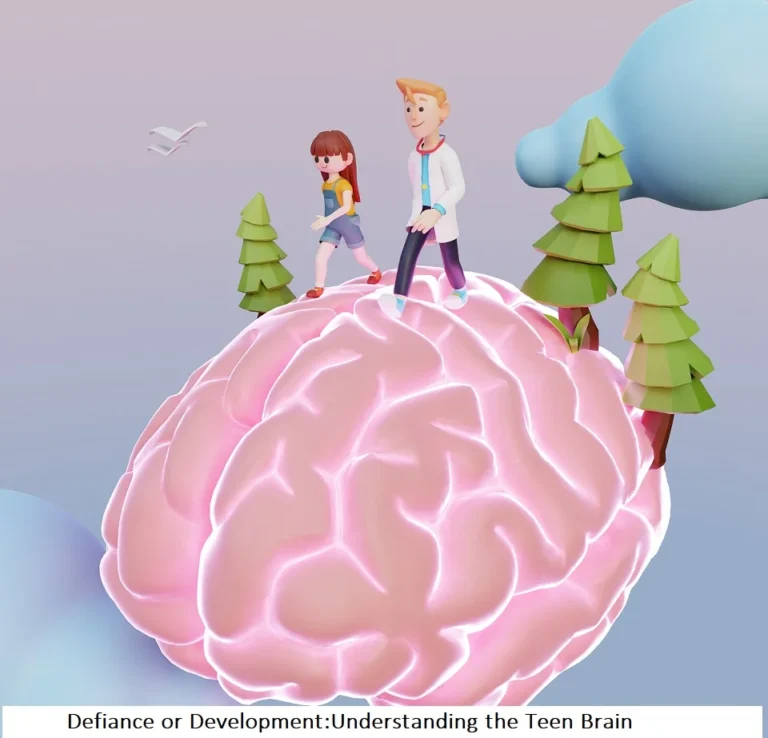
Raising teenagers can feel like learning a new way to parent the child you already know. A teen who once told you everything may now want privacy. An easy routine can become a negotiation. Friends, school, identity, technology and growing independence can make everyday choices more complicated.
But adolescence is not simply a period of rebellion. It is a time when young people are learning to make decisions, develop relationships, manage strong feelings and gradually take responsibility for their lives. The job of a parent changes too: from making almost every decision to offering structure, connection and guidance as a teen becomes more independent.
This guide brings together practical strategies for communication, boundaries, emotional development, friendships, digital safety and difficult behavior. It is also a starting point for our more detailed teen-parenting articles.
Raising Teenagers: Start With the Issue You Are Facing
Every family’s challenges are different. Use these guides to find advice on the topic that matters most right now:
- Teen emotions and development: Understanding the teenage brain and helping an emotionally immature teenager.
- Friendships and social confidence: Improving social skills in teenagers and peer pressure vs. parental influence.
- Phones and online life: Phone monitoring and family safety, why over-monitoring can backfire, and teens using AI chatbots as friends.
- Risky behavior and safety: Teens and firearms and how to prevent juvenile delinquency.
- Family relationships: Benefits and challenges of extended family living.
You can also browse our Teens & Tweens articles or the Child Safety section for more focused reading.
What Changes When You Are Raising Adolescents?
Three developments often happen together:
- Independence grows. Teens want more say in clothes, friends, hobbies, study plans and daily routines.
- Peers matter more. Friendship, belonging, rejection and reputation can carry greater emotional weight.
- Decision-making is still developing. Teens can reason well in many settings while still finding high-pressure or emotionally charged decisions difficult.
The National Institute of Mental Health explains that adolescence involves major changes in how the brain works, including planning, social processing and responses to stress. That does not mean teenagers cannot make responsible choices; it means parents should provide opportunities to practice them, with appropriate safeguards.
Not every disagreement is a developmental milestone, and not every serious problem is “just hormones.” Look at the situation, the pattern and how much it is affecting your teen’s life.
8 Practical Strategies for Raising Teenagers
1. Protect everyday connection
Not every conversation has to be a lesson. Chat while cooking, on a short drive, during a walk or over a shared interest. Ask questions that cannot be answered only with “fine”: “What was the best part of today?” or “Is anything at school getting on your nerves?”
Listen before offering a fix. A teen who feels judged whenever they share a problem may eventually stop sharing problems.
2. Separate non-negotiable safety rules from personal preferences
Parents should be clear about safety: where a teen is going, how they will get home, substance use, dangerous driving, threats, weapons, and basic respect for others.
But not every choice needs parental control. Hairstyles, music, harmless hobbies and room décor can be opportunities for independence. Ask yourself: Is this a safety issue, a family responsibility, or simply a preference?
Having fewer, clearer rules can make important boundaries easier to understand and enforce.
3. Make consequences predictable and proportionate
Explain expectations in advance when you can. Consequences should connect to the behavior and help a teen learn what to do differently, rather than humiliate them.
For example, if a teen repeatedly misses an agreed check-in, discuss what happened, explain the safety concern, and temporarily adjust the freedom involved while they rebuild reliability.
The CDC recommends consistent parental monitoring, clear expectations and follow-through as teenagers gain independence. Effective monitoring includes knowing their activities and friends; it does not require constant covert surveillance.
4. Give independence in manageable steps
Rather than treating freedom as all-or-nothing, increase it with demonstrated responsibility. A younger teen might plan a short outing and agree on a pickup time. An older teen might manage a personal budget, appointments or transport plans.
When something goes wrong, review the plan together: “What would you change next time?” This builds judgment more effectively than simply removing every choice.
5. Teach emotional regulation by modeling it
A tense conversation is rarely improved by two people raising their voices. If either of you is overwhelmed, pause and agree to return to the issue.
Try: “I want to understand what happened. We’re both upset, so we’ll talk when we’re calmer.” Then follow through on the conversation. A pause should not mean avoiding accountability.
Some teens need extra practice managing frustration, accepting responsibility or considering other perspectives. Our article on emotional maturity in teenagers covers those challenges in more detail.
6. Stay involved with friends and school life
Know who your teen spends time with and whether they feel safe and connected at school. Show interest in their friendships without automatically criticizing them. Notice repeated bullying, school avoidance, major changes in grades or growing isolation.
Social confidence can be developed through specific skills rather than a demand to “be more outgoing.” See our 11 practical ways to improve teenage social skills.
For choices involving friends, discuss what to do when the group wants something unsafe. The guide on parental influence and peer pressure provides concrete refusal strategies.
7. Make digital rules collaborative and specific
A blanket argument about “too much screen time” often misses the real issue. Ask what your teen is doing online, whether they feel pressured in group chats, whether late-night use is affecting sleep, and whether they have encountered unwanted contact or disturbing content.
The American Academy of Pediatrics encourages families to involve teens in creating a family media plan and to consider the child, content, calming, what media crowds out, and communication.
Agree on practical expectations around sleep, school, privacy, safe contacts, and what to do if something frightening happens online. Be transparent about supervision wherever possible. For a balanced discussion see why over-monitoring social media can backfire.
8. Make space for recovery, belonging and rest
Teenagers need more than grades and responsibilities. Sleep, physical activity, creative interests, downtime and supportive relationships all contribute to well-being.
If a teenager is overwhelmed, review their commitments rather than assuming they need more pressure. The NIMH notes that sleep patterns shift in adolescence, and inadequate sleep can affect attention, mood and decision-making.
Raising Teenagers at Different Ages
Ages 13–15: More structure, more practice
Early adolescence often brings rapid changes in identity, friendships, mood and privacy needs. Parents can offer choices within clear boundaries, help teens organize school and social commitments, and practice safe decision-making before granting greater freedom.
Ages 16–19: More independence, continued support
Older teens may manage exams, work, relationships, driving, finances or plans after school. Move gradually toward shared decision-making: discuss risks, ask for their proposed plan, and step in more firmly when safety is at stake. Legal adulthood and responsibilities vary by location, so adjust expectations accordingly.
Common Teenage Parenting Challenges
“My teenager won’t talk to me.”
Reduce the pressure to have a serious face-to-face talk every time. Try brief, ordinary conversations and listen without interrupting. If your teen still wants privacy, remain available and show consistent interest without demanding disclosure of every thought.
“Everything turns into an argument.”
Pick one issue at a time and state the expectation clearly. Avoid bringing up every past mistake. When you can, offer a choice: “Would you rather finish the task now or after dinner?” Do not negotiate away essential safety boundaries during an argument.
“My teen cares more about friends than family.”
Peer belonging becomes especially important in adolescence. That does not make the family relationship irrelevant. Stay involved, meet friends when appropriate, and teach how to recognize manipulation or unsafe pressure. Read who influences teenagers more—parents or peers.
“My teenager seems emotionally immature.”
Occasional impulsive reactions are common. Repeated blame, severe emotional reactions, or persistent difficulty accepting responsibility may need more focused coaching. Avoid using “immature” as a fixed label. See nine signs of emotional immaturity and how to help.
“I’m worried about risky behavior.”
Respond to specific behavior rather than assuming a teenager is headed for trouble. Talk about supervision, peers, substances, school disengagement, weapon access and actual safety concerns. Our juvenile delinquency prevention guide outlines practical family and community protective factors, while the separate causes and risk factors article explains why risk cannot be reduced to one cause.
When Does a Teenager Need Extra Support?
Parenting advice cannot replace professional assessment. Contact a pediatrician, school counselor or qualified mental-health professional when a teen experiences ongoing distress or major changes in everyday functioning, such as:
- persistent sadness, anxiety, hopelessness or withdrawal;
- major changes in sleep, eating, school attendance or relationships;
- intense social fear that interferes with school or normal activities;
- escalating substance use, aggression, threats or dangerous behavior;
- self-harm or talk of suicide.
If a teenager is threatening imminent harm to themselves or others, seek urgent local emergency or crisis support. Take possible access to weapons seriously.
The NIMH provides resources on child and adolescent mental health and signs that may require professional attention.
A Simple Seven-Day Parenting Reset
If home has become a cycle of reminders and arguments, start with small changes rather than an elaborate new rulebook:
- Day 1: Have one ordinary, enjoyable conversation without a lecture.
- Day 2: Review which household rules are about safety and which are preferences.
- Day 3: Ask your teen which responsibility they want more independence with.
- Day 4: Discuss one peer-pressure or online-safety scenario without accusing anyone.
- Day 5: Offer a shared activity or time together without making it mandatory.
- Day 6: Notice and name one specific example of responsibility or kindness.
- Day 7: Ask what has improved, what still feels difficult, and what one change you can both try next.
These steps will not solve every problem in a week. They create a starting point for consistency, trust and more productive conversations.
Frequently Asked Questions About Raising Teenagers
What is the hardest part of raising teenagers?
For many parents it is balancing independence with safety. Teens need more choice while still benefiting from predictable rules, support, and guidance. The most difficult issue varies by family and may involve friendships, school, emotional health or online life.
How do I raise a respectful teenager without being too strict?
Model respectful communication, make expectations clear, follow through consistently, and give teens a voice in decisions that affect them. Distinguish disagreement from actual disrespect and avoid humiliating punishments.
How much independence should a 14-, 16- or 18-year-old have?
There is no single amount that fits every teen. Consider safety, maturity, past reliability, the specific activity and the laws where you live. Increase independence in manageable steps as the teen demonstrates responsibility.
Should parents monitor teenagers’ phones and social media?
Age-appropriate oversight can help with safety, but supervision should be proportionate to the risk and explained openly when possible. Agree on privacy, safety and reporting rules, and strengthen the teen’s ability to handle online situations.
Is teenage moodiness normal?
Some shifts in mood and frustration are common during adolescence. Persistent, severe or worsening symptoms—especially when accompanied by functional decline, hopelessness, or self-harm—deserve professional attention.
How can I stay close to my teenager?
Be available during ordinary moments, keep your promises, avoid turning every interaction into criticism, show interest in their world, and combine clear boundaries with increasing trust.