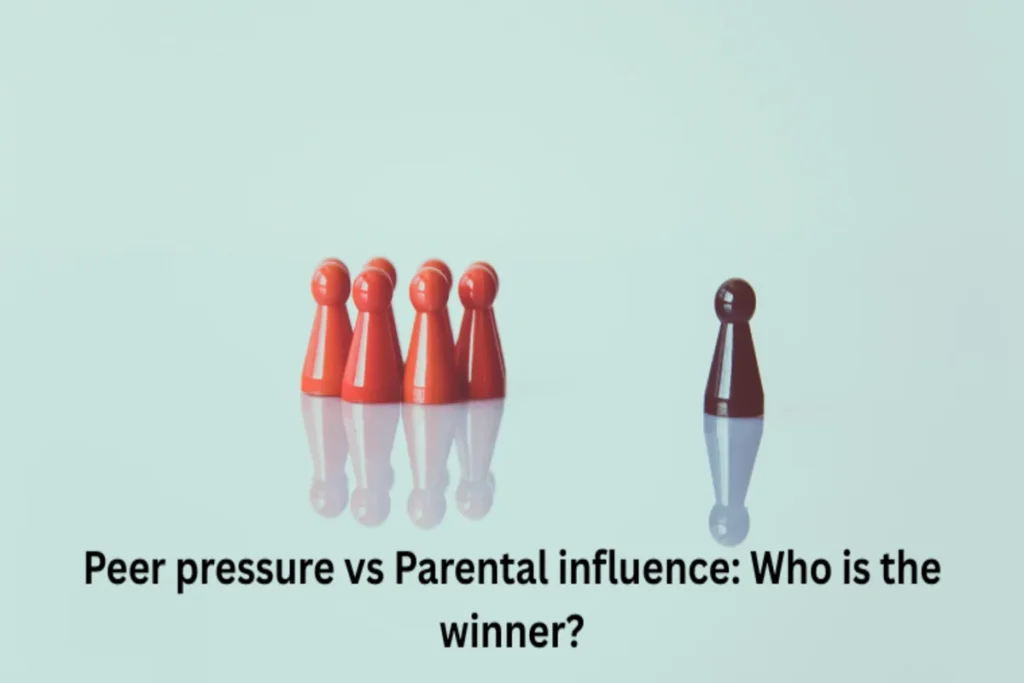
Peer pressure vs. parental influence is not really a contest with one permanent winner. During adolescence, friends become more important, social acceptance matters more, and teens spend more time making choices outside the home. But parents do not suddenly lose their influence. Research shows that peers can shape day-to-day behavior and attitudes, while parents remain important through values, expectations, communication, and monitoring.
For parents, the more useful question is not “Who has more power?” but “When are peers more influential, when do parents matter most, and what helps a teenager make good decisions when those influences conflict?”
Why Peer Influence Becomes Stronger During the Teen Years
Friendships are only one part of a teenager’s social environment. For a wider discussion of cultural expectations, family relationships and social norms, see how society influences teen behavior and development.
Adolescence is a period when belonging and acceptance become especially important. A major review of peer influence research found that teenagers are particularly sensitive to peer influence because fitting in with friends and avoiding social exclusion become powerful social goals.
Peer influence is not always direct pressure. It can be subtle:
- wearing what friends wear;
- using the same slang;
- trying an activity because everyone else is doing it;
- changing an opinion to avoid standing out;
- joining in with teasing, drinking, risky behavior, or rule-breaking;
- studying harder, exercising, volunteering, or joining a club because friends do.
This is why it is useful to distinguish peer influence from peer pressure. Influence can be positive, neutral, or negative. Pressure usually refers to influence that makes a teen feel pushed toward a choice they might not otherwise make.
Do Parents Still Influence Teenagers?
Yes. The CDC describes parents as a powerful influence in teenagers’ lives and notes that parental monitoring is associated with lower levels of several risk behaviors. Effective monitoring includes knowing where a teen is, who they are with, setting clear expectations, checking in, and responding consistently when rules are broken.
Importantly, monitoring works best when it is part of an open, caring relationship rather than constant surveillance. Teens are more willing to share information when they believe their parents will listen, give useful advice, and treat them fairly.
That means parental influence often becomes less about controlling every decision and more about shaping the framework teenagers use to make decisions on their own.
So Who Influences Teenagers More: Parents or Peers?
The answer depends on the type of decision.
Peers may have more influence over:
- clothing and appearance;
- music and entertainment;
- social media trends;
- slang and humor;
- where teens spend free time;
- what feels “cool,” embarrassing, or socially acceptable;
- some immediate risk-taking decisions.
Parents may have more influence over:
- long-term values;
- attitudes toward education;
- family expectations;
- health and safety rules;
- religious or cultural beliefs;
- how a teen thinks about responsibility;
- which risks feel acceptable or unacceptable.
This division is not absolute. It changes with age, family relationships, the strength of the peer group, and the specific situation.
Research reviews have repeatedly found that although peer influence increases during adolescence, parents remain important socializing agents throughout the teen years.
Why Good Teens Sometimes Make Bad Decisions Around Friends
A teenager can know a rule, agree with it at home, and still make a poor decision in a group. That does not necessarily mean parental influence has disappeared.
Several things can happen at once:
- the teen wants immediate social acceptance;
- the group makes the behavior seem normal;
- the risk feels less serious when everyone is doing it;
- the teen fears embarrassment or exclusion;
- the decision happens quickly, before the teen thinks through consequences.
This helps explain why lectures alone often fail. A teen may already know what the parent thinks. The harder skill is being able to act on that value when the social cost feels high.
Positive Peer Pressure Can Be Powerful Too
Peer influence is not automatically harmful. Friends can encourage:
- better study habits;
- sports and physical activity;
- volunteering;
- creative interests;
- healthier routines;
- confidence and social participation;
- asking for help when something is wrong.
A strong peer group can reinforce the same values parents are trying to build. That is why choosing friends and environments matters, but trying to control every friendship usually backfires.
For a deeper look at the positive side, see why peer pressure is not always harmful.
How Social Media Changes Peer Pressure
Social media makes peer influence more continuous. In previous generations, peer pressure often stopped when a teenager came home. Now group chats, trends, likes, stories, and social comparison can continue all day.
Online pressure can involve:
- fear of missing out;
- appearance comparisons;
- pressure to post or share;
- public teasing or exclusion;
- viral challenges;
- pressure to respond immediately;
- seeing risky behavior presented as normal.
This does not mean social media is the sole cause of peer pressure. It amplifies a social process that already exists. Parents should focus on helping teens interpret what they see and make independent choices rather than assuming that taking away a phone solves every social problem.
Read our detailed guide on how social media can intensify peer pressure.
7 Ways Parents Can Stay Influential Without Becoming Controlling
1. Build a relationship before a crisis happens
Teenagers are more likely to ask for help when they already feel heard. Make room for ordinary conversation that is not always about grades, rules, or problems.
2. Know the friends, not just their names
The CDC recommends that parents know who their teens spend time with and, where appropriate, know the parents of their friends. This gives parents useful context without requiring constant surveillance.
3. Explain the reason behind important rules
“Because I said so” may stop a conversation, but it does not help a teenager make the same decision when a parent is absent. Explain the safety or value behind the rule.
4. Practice refusal skills before they are needed
A teen may agree that drinking, vaping, stealing, unsafe driving, or carrying a weapon is a bad idea but still freeze when friends push them.
Practice short responses:
- “No, I’m not doing that.”
- “I have to leave.”
- “My parents will check.”
- “I’m not risking it.”
- “I’ll catch up with you later.”
Teens do not need a perfect speech. They need an exit strategy.
5. Avoid attacking the whole friend group
If you say, “All your friends are bad,” your teenager may defend the group and stop talking. Focus on the specific behavior: “I’m concerned that this group is skipping school” is more useful than insulting the friends themselves.
6. Give independence in stages
Freedom should increase with responsibility. Clear check-ins, agreed return times, and reasonable consequences let teenagers practice independence without losing all structure.
7. Keep communication open after mistakes
If a teen makes a poor decision because of peer pressure, consequences may be necessary. But the conversation should also answer: What made it hard to say no? What would help next time? Which friend or situation increased the pressure?
When Peer Influence Becomes a Safety Concern
Parents should pay closer attention when a teenager’s peer group is connected with repeated or escalating problems such as:
- substance use;
- truancy;
- violence or weapon carrying;
- stealing or other illegal behavior;
- dangerous driving;
- severe bullying;
- pressure to share sexual images;
- gang involvement;
- serious threats or retaliation.
In those cases, stronger supervision and professional or school support may be appropriate. Our guide on preventing juvenile delinquency explains how family monitoring, school engagement, peers, and early intervention can work together.
Peer influence is only one part of adolescence. Our raising teenagers parent guide brings together communication, independence, monitoring and emotional development in one starting point.
The Better Goal: Help Teens Build Their Own Judgment
The goal is not to make a teenager choose parents over friends forever. Healthy development requires both family connection and growing independence.
The long-term goal is a teen who can think:
- “What do I actually believe?”
- “What could happen if I do this?”
- “Am I doing this because I want to or because I am afraid of being left out?”
- “Would I make the same choice if my friends were not here?”
That is where parental influence matters most: not in winning every argument, but in helping a young person build values and decision-making skills they can carry into situations where parents are not present.
Frequently Asked Questions
Who influences teenagers more, parents or peers?
Both can be powerful. Peers often have more influence over immediate social choices, while parents can remain highly influential through values, expectations, monitoring, communication, and long-term guidance.
What is the difference between peer pressure and peer influence?
Peer influence is the broader effect friends have on attitudes and behavior. It can be positive, negative, or neutral. Peer pressure usually refers to situations where a teenager feels pushed to act in a certain way to gain acceptance or avoid rejection.
Does parental influence decrease during adolescence?
Teenagers become more independent and peers become more important, but parental influence does not disappear. The form of influence changes from direct control toward communication, expectations, monitoring, and guidance.
How can parents reduce negative peer pressure?
Maintain open communication, know your teen’s friends and activities, set clear expectations, practice refusal skills, and avoid making every conversation punitive. Teens are more likely to seek advice when they feel they can talk without immediate humiliation.
Can peer pressure be positive?
Yes. Friends can encourage studying, exercise, volunteering, healthier habits, confidence, and participation in positive activities.