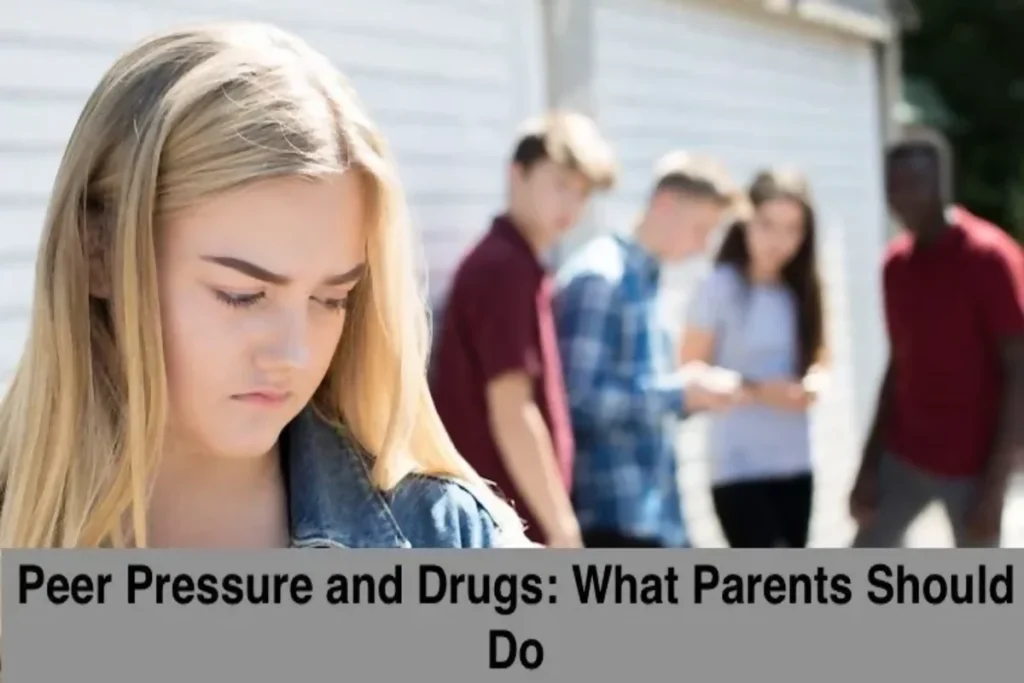
Many parents don’t realize their child is facing peer pressure until something goes wrong. By the time drugs enter the picture, teens often feel trapped between fitting in and staying safe. The good news is that small, consistent actions by parents can make a powerful difference — even before a problem starts.
Peer pressure and drug exposure are real concerns for parents raising teenagers today. From social media trends to school friendships, teens face constant influence that can affect their choices. Understanding how peer pressure works — and knowing how to respond calmly and effectively — can significantly reduce the risk of drug use. This guide explains peer pressure and drugs, why teens are vulnerable, and what parents can do to protect and support their children.
Teenagers are not simply being “rebellious.” Their brains are still developing decision-making skills, emotional regulation, and impulse control. That makes guidance, communication, and trust more important than punishment.
Why Peer Pressure and Drugs Are a Growing Concern for Parents Today
Social media trends, easy access to substances, and constant online exposure have made peer pressure stronger than ever. Teens today face influence not just at school, but through phones, group chats, and viral challenges. Parents who stay informed and emotionally connected are better positioned to protect their children and guide them toward safe decisions.
What Is Peer Pressure?
Peer pressure happens when teens feel influenced by friends or social groups to behave in certain ways, even when they feel uncomfortable.
Types of Peer Pressure
Direct peer pressure
- A friend saying, “Try this vape.”
- Someone daring them to drink or take pills.
Indirect peer pressure
- Seeing friends post about vaping or drugs online.
- Feeling excluded if they don’t attend parties where substances are present.
Why it happens
- Teens want to belong.
- Fear of rejection feels stronger than long-term consequences.
Why Teens Give In to Peer Pressure
Many teens say “yes” not because they want drugs, but because they want acceptance.
Common reasons include:
- Fear of losing friends
- Curiosity about effects
- Copying celebrities or influencers
- Stress from school, bullying, or family conflict
Example:
A teen thinks, “If I say no, I might be alone.”
Also Read : Peer Pressure vs. Parental Influence: Who Shapes Teens More?
Drug Risks at Different Ages
Ages 11–13 (Middle School)
Common risks: vaping, alcohol, inhalants
Why: curiosity and wanting to appear mature
What parents can do
- Teach simple refusal phrases
- Monitor backpacks and online activity
Ages 14–18 (High School)
Common risks: marijuana, fake pills, drunk driving
Why: dating pressure, social media trends
What parents can do
- Set safety rules without fear
- Offer judgment-free rides home
Ages 18–21 (Young Adults)
Common risks: binge drinking, party drugs
Why: belief they can “handle it”
What parents can do
- Keep communication open
- Discuss real consequences respectfully
Signs Your Teen May Be Under Pressure
Watch for changes such as:
- Sudden new friends
- Hiding phones or lying about plans
- Red eyes, fatigue, mood swings
- Withdrawal or sudden anger
Also Read : The Fine Line Between Friendship & Peer Pressure: A Guide for Teens & Parents
These signs do not always mean drug use — but they do mean your teen needs support.
If you’re worried about your child, you’re not alone. Many parents feel unsure whether they are doing enough or saying the right things. Feeling concerned does not mean you have failed — it means you care. Support, not control, is what helps teens feel safe enough to choose wisely.
How Parents Can Help Teens Say “No”
Talk Early and Often
Ask open questions:
- “What would you do if a friend offered you drugs?”
Stay calm if they share mistakes.
Practice Real Scenarios
Role-play simple responses:
“No, I’m not into that.”
Create a Safety Plan
- Code word for help
- Emergency money or ride
Build Confidence
- Praise good decisions
- Encourage sports, art, or clubs
Use Technology Wisely
- Discuss social media trends together
- Use monitoring apps transparently
What If Your Teen Has Already Tried Drugs?
- Stay calm
- Ask what happened and why
- Seek professional help if needed
In the US, parents can contact SAMHSA’s Helpline (1-800-662-HELP) for confidential guidance.
How Schools and Communities Help
- Ask about school prevention programs
- Encourage healthy clubs and activities
- Attend parent workshops
Strong community support reduces risk.
Key Takeaways for Parents
- Peer pressure is often subtle, not obvious
- Teens say yes to fit in, not to rebel
- Calm conversations reduce risk more than punishment
- Trust and consistency protect teens long-term
Final Thoughts for Parents
Peer pressure is not always negative. Friends can also influence teens to study harder, join clubs, or make healthy choices. The goal is not control — it is connection.
When parents provide trust, clear boundaries, and emotional safety, teens are far more likely to resist peer pressure and drug use. Prevention starts with listening, consistency, and showing your child they are never alone.
Also Read : Peer Pressure: Why It’s Not Always Harmful
Frequently Asked Questions About Peer Pressure and Drugs
A:Peer pressure can lead to drug use when teens feel a strong need to fit in or fear being excluded. Even indirect pressure, such as seeing friends use drugs on social media, can influence teens to make unsafe choices.
A:Peer pressure can start as early as middle school, but the risk increases during teenage years when kids seek independence and acceptance. Early communication helps reduce long-term risk.
A:Parents should listen calmly, validate their teen’s feelings, and help them practice ways to say no. Building trust is more effective than punishment.
A:Use open questions, avoid lectures, and focus on safety rather than fear. Teens are more likely to talk when they feel understood and not judged.
A:Signs include sudden behavior changes, hiding friendships, mood swings, secrecy, or withdrawal from family. These signs signal the need for support, not immediate punishment.
A:Yes. Positive peer pressure can encourage healthy behaviors like studying, joining clubs, or avoiding risky situations. Parents can help teens choose supportive friend groups.
A:School programs are most effective when combined with parent involvement and open communication at home. Education alone works best when reinforced by family support.