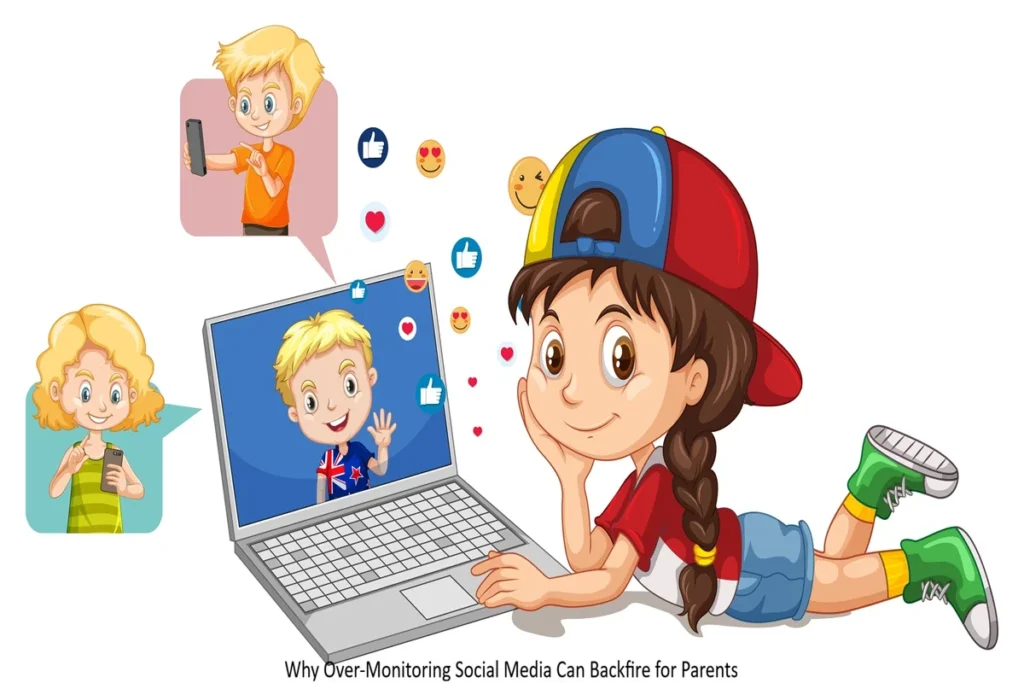
In today’s digital world, many parents believe constant supervision is the safest way to protect their children online. While this concern is understandable, over-monitoring social media can sometimes do more harm than good. Studies in child psychology show that excessive control can weaken trust, increase secrecy, and push children to hide their online lives instead of sharing them openly with parents.
The Difference Between Guidance and Control
There is a clear difference between healthy guidance and constant surveillance. Monitoring becomes harmful when children feel watched rather than supported. When parents read every message, track every interaction, or secretly check accounts, children may feel their privacy is being violated.
Experts explain that children, especially teenagers, need a sense of independence to develop responsibility. Too much control can send the message that parents do not trust them, which can damage the parent-child relationship over time.
Also Read :Digital Detox for Kids: Creative Ways to Divert Them from Social Media
How Over-Monitoring Can Increase Risky Behavior
Ironically, over-monitoring social media can push children toward risky behavior rather than prevent it. When kids feel controlled, they often look for ways around restrictions—using secret accounts, private browsers, or alternate apps.
Psychologists call this “reactance,” a natural response where children resist strict rules by doing the opposite. Instead of asking for help when they see harmful content, they may stay silent out of fear of punishment or loss of freedom.
Also Read : Screen Time Management and Modern Parenting
Trust Builds Safer Online Habits
Research from child development experts shows that children are more likely to behave responsibly online when they feel trusted. Open conversations about social media risks—such as cyberbullying, online predators, or harmful trends—help children think critically rather than act impulsively.
Parents who focus on communication instead of control often find that their children voluntarily share online experiences, problems, and mistakes. This creates a safer environment than constant digital surveillance.
What Parents Can Do Instead of Over-Monitoring
Rather than checking every post or message, parents can:
- Set clear family rules about screen time and online behavior
- Teach children how social media algorithms work
- Encourage open discussions without immediate punishment
- Use parental controls as safety tools, not spying tools
This balanced approach helps children learn self-control while still feeling supported.
Finding the Right Balance
Social media is not going away, and neither is the need for parental involvement. However, the goal should be guidance, not control. When parents replace fear-based supervision with trust and education, children are more likely to make safer choices online.
In the long run, over-monitoring social media may weaken communication, while balanced involvement strengthens it. The most powerful protection for children is not constant watching—but a strong, trusting relationship with their parents.
FAQs
Over-monitoring social media means constantly checking messages, tracking every activity, or secretly accessing a child’s accounts instead of guiding them openly.
When children feel watched instead of trusted, they may hide their online behavior. This weakens communication and makes them less likely to ask for help when problems arise.
Yes. Child psychologists explain that excessive control can lead children to create secret accounts or avoid parental guidance altogether, increasing online risks.
Yes. Open conversations help children understand online dangers and make responsible choices. Communication builds awareness without fear or secrecy.
Parents can set clear rules, use parental controls transparently, discuss online trends, and encourage children to share concerns freely.
The healthiest approach combines trust, education, and age-appropriate supervision. Guidance works better than constant surveillance in the long term.