It can be frightening for any parent to imagine their teen using drugs or alcohol. To protect them, however, we must first understand why it happens. Teen substance use rarely begins “just for fun.” In most cases, it is a coping response to emotional, social, or environmental pressures that teens struggle to explain.
Substance use during adolescence is closely connected to risky behavior and can become an early warning sign of deeper problems, including pathways that may later lead to juvenile delinquency. Understanding these reasons helps parents intervene early—before experimentation turns into long-term harm.
Below are five real and common reasons why teenagers turn to drugs and alcohol, written in simple and human language.
1. Peer Pressure and the Fear of Being Left Out
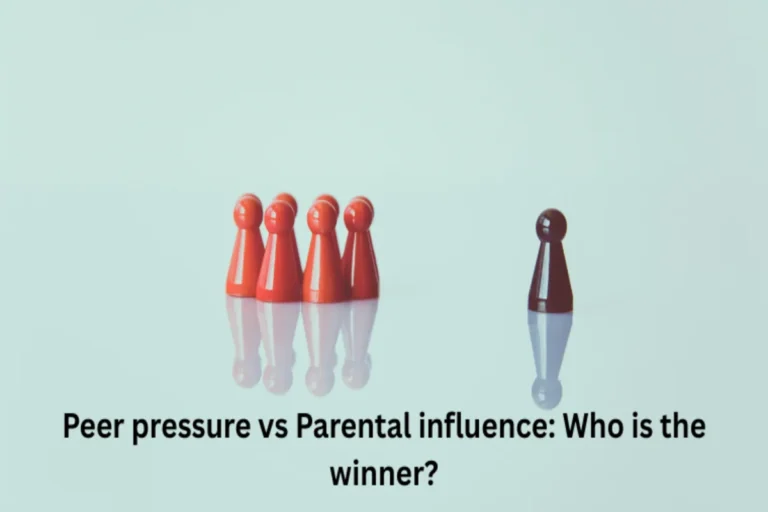
For most teens, friends are everything. Acceptance feels like survival. When they fear being left out, they may follow what the group is doing—even when they know it’s wrong.
Also Read: How Social Media Supercharges Peer Pressure for Teens (And What Actually Helps)
What it feels like for a teen:
Imagine standing with friends, and someone offers a drink or a cigarette. Saying “no” feels risky. They worry their friends will judge them or stop inviting them. So the pressure isn’t loud; it’s quiet. It comes from wanting to belong.
What parents can do:
- Build their confidence from an early age.
- Encourage friendships based on respect, not pressure.
- Make home a safe space where they feel accepted as they are.
2. Overwhelming Stress in School and Daily Life
Teen life is much more stressful than most adults realize. They deal with:
- School pressure
- Performance pressure
- Expectations for their future
- Social struggles
- Fear of failure
What it feels like for a teen:
Their mind is constantly racing. They feel judged, worried, or overwhelmed. Drugs or alcohol seem like an “off switch,” a moment of quiet when everything stops for a while. They aren’t trying to ruin their life—they just want relief.
What parents can do:
- Talk openly about stress.
- Teach healthy ways to relax (sports, writing, music, walking).
- Remind them that grades do not define their worth.
3. Using Substances to Escape Emotional Pain
Many teens use substances because they are struggling silently with sadness, anxiety, anger, loneliness, or past trauma. They don’t know how to express those emotions or ask for help.
What it feels like for a teen:
The emotional pain becomes too heavy. They feel confused, ashamed, or scared to talk about it. Drugs or alcohol feel like temporary “medicine” that numbs everything for a few hours. But this escape is dangerous and makes mental health worse over time.
Also Read : Breaking the Cycle: Poverty and Juvenile Delinquency
What parents can do:
- Notice mood changes and emotional withdrawal.
- Encourage open conversations about feelings.
- Seek professional help when needed—counsellors, psychologists, or doctors.
4. Risk-Taking, Curiosity, and the Urge to Rebel
Teenagers are naturally curious. Their brains push them toward risk-taking, independence, and testing limits. They want to discover things on their own, even when the consequences are unsafe.
What it feels like for a teen:
Being told “don’t do it” sometimes makes them want to do it more. Rebellion feels like freedom. They often believe “nothing bad will happen to me,” which makes them underestimate the risks of addiction.
What parents can do:
- Have honest, calm conversations about substances.
- Explain real dangers without fear tactics.
- Teach that true independence comes from making strong, healthy choices.
5. Family Conflicts and an Unstable Home Environment
Home should be a place of safety and peace. But when there is constant fighting, emotional distance, neglect, or substance use in the family, teens feel unsafe—and this increases their risk of using.
What it feels like for a teen:
They may feel scared, lonely, unloved, or emotionally exhausted. Substances become a way to escape the chaos around them. Or they copy what they see adults doing, believing it is normal.
What parents can do:
- Work toward a stable, loving environment.
- Address family problems honestly.
- Seek help for addiction or conflict if needed.
- Model healthy behaviours.
Teen substance use is one of the most common early behaviors linked to juvenile delinquency, especially when emotional pain and peer pressure go unaddressed. Understanding these warning signs allows parents to step in before risky behavior escalates into more serious consequences.
The Bottom Line
Teens do not turn to drugs or alcohol without a reason. Most are trying to belong, escape stress, numb emotional pain, or survive instability at home. The strongest protection a parent can offer is not fear or punishment—but trust, empathy, and consistent support.
A teen who feels heard and emotionally safe is far less likely to seek comfort in dangerous coping mechanisms.
FAQs
If you are worried that substance use may already be happening, see our guide to the signs and symptoms of substance use in teenagers. No single sign proves drug use; focus on persistent patterns and seek qualified help when needed.
Many teenagers start using drugs and alcohol because they want to fit in, reduce stress, or escape difficult emotions. This happens even when they understand the risks, because their brain is still developing and strongly reacts to peer pressure and emotional distress.
Early signs include sudden mood changes, avoiding family, slipping grades, new friend groups, lack of interest in hobbies, and secretive behavior. These small changes can help parents spot teen substance use before it becomes serious.
Parents can help by keeping communication open, teaching healthy coping skills, reducing unnecessary pressure, and creating a safe emotional environment at home. Teens who feel understood are less likely to use substances during stressful periods.
Yes. Studies show that teens living in homes with constant arguments, neglect, or addiction have a higher chance of using substances. A stable and supportive home environment is one of the strongest protections against substance use.
Some teenagers feel overwhelmed by sadness, anxiety, loneliness, or trauma. Because they don’t know how to express these emotions, they turn to substances to numb the pain. This temporary escape becomes dangerous over time.
The best approach is calm, honest, and understanding. Instead of lecturing, parents should listen, ask gentle questions, and explain real consequences. Conversations built on trust help teens make safer choices.
This article is part of our in-depth series on juvenile delinquency, teen behavior, and child safety.