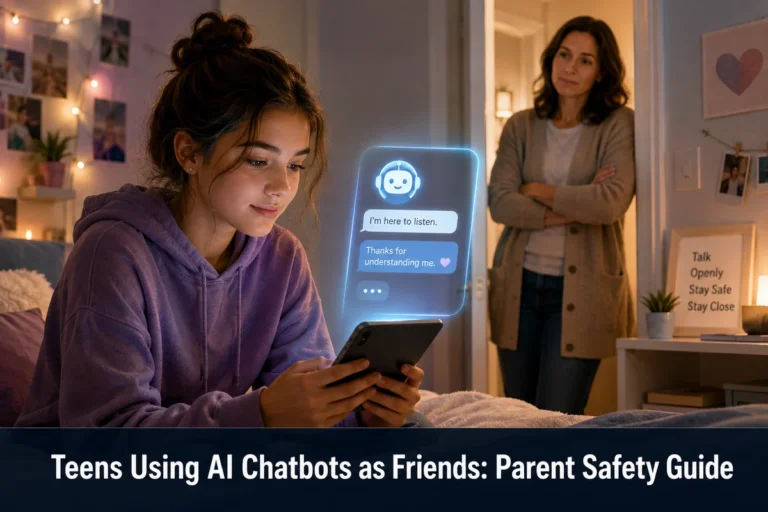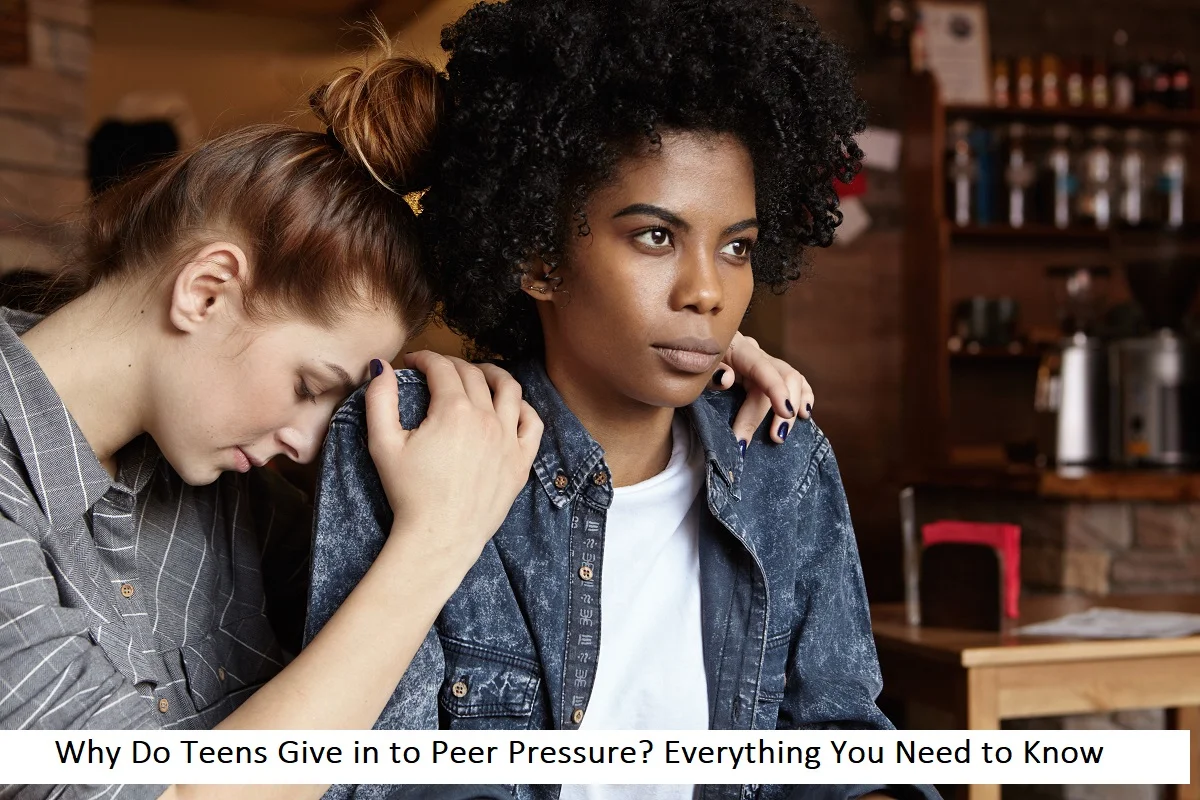
The 3 AM Scroll: When Peer Pressure Never Sleeps
Your teen’s phone pings at midnight. Again. It’s another Snapchat notification – someone’s party they weren’t invited to. A TikTok trend they’re too scared to try. A group chat where friends are daring each other to do something stupid.
Social platforms can extend peer conversations beyond school hours. Group chats, likes and public comparisons can make it harder for some teenagers to switch off or step away from uncomfortable social situations.
But here’s the good news: Understanding how social media amplifies peer pressure is the first step to helping your teen navigate it. And there are real, practical strategies that work.
Why Social Media Is Peer Pressure on Steroids
1. The Comparison Trap Goes Viral
Remember only comparing yourself to kids at school? Today’s teens stack themselves against:
- Hundreds of “friends” posting highlight reels
- Celebrities and influencers with teams creating their “perfect” images
- Algorithm-driven content that pushes extreme behaviors
What parents should know: Social comparison may affect how a teenager feels about themselves, but the impact varies widely by person, content and context. Avoid assuming that a fixed amount of scrolling has the same effect on every teen.
“I deleted Instagram because I kept crying over girls with ‘perfect’ lives. Then I realized I was crying at fake apartments with fake lighting.” — Sarah, 16
2. FOMO Becomes FOJI (Fear of Joining In)
It’s not just fear of missing out anymore. Many teens now experience:
- Pressure to participate in risky trends for clout
- Anxiety about not being “fun” or “wild” enough
- The impossible choice: Join in or get left out
Illustrative scenario: A teenager may feel pressure to appear interested in vaping or another risky activity because friends portray it as normal online. That pressure is worth discussing without assuming every teen will act on it.
3. Group Chats: The Pressure Cooker
What looks like innocent texting often becomes:
- Round-the-clock peer judgment
- Screenshot blackmail (“We’ll share this if you don’t…”)
- Escalating dares that start as jokes but turn serious
A mother’s nightmare: “My daughter left a chat where kids shared nudes. They screenshotted her ‘bye’ message and mocked her for weeks. We had to switch schools.”
Worth to Read : Peer Pressure and Drugs: What Parents Should Do
What Actually Helps (From Teens Who Survived It)
1. Teach Them to Hack Their Algorithm
Help your teen reset their feed:
- Search positive terms like “body positivity” or “mental health memes”
- Tap “Not Interested” on harmful content
- Follow educational accounts (@CrashCourse) over influencers
Teen tip: “I swapped fashion influencers for artists and chefs. My Explore page went from toxic to inspiring.” — Mia, 17
2. The Phone Stack Rule
At gatherings:
- Everyone stacks phones in the center
- First to grab theirs owes pizza
“We actually talked. And no one could post drunk pics after.” — Ryan, 18
3. Scripts to Exit Gracefully
Practice these comebacks:
- “My parents track this app – hard pass!”
- *”I’m on a dumb 30-day challenge, sorry!”*
- “I’m allergic to bad decisions.” (Humor disarms pressure)
Crisis Resources (Save These Now)
If things escalate:
- 🆘 Crisis Text Line: Text HOME to 741741
- 🚨 Suicide Prevention: Call/text 988
- 🏳️🌈 LGBTQ+ Help: The Trevor Project: 1-866-488-7386
- 📱 Cyberbullying: Report harmful posts immediately
Pro tip: Save these in your teen’s phone under “HELP” – no questions asked.
FAQs From Worried Parents
Q: How do I know if group chats are toxic?
A: Watch for:
- Hiding screens when you’re near
- Anxiety about replying instantly
- Mimicking new risky behaviors
Q: “But everyone’s doing it!” Try: “Online posts can make a behavior look more common than it is. What are you seeing among your actual friends, and how can you decide what is right for you?” Avoid quoting vaping percentages unless the age group, location and survey year are clear.
Q: Should I ban social media?
A: Teens say this backfires. Better:
- Set “green zones” (no-phone dinners)
- Offer alternatives (Spotify instead of TikTok)
The Light at the End of the Feed
A useful discussion prompt for parents is: “What parts of what you see online are carefully selected or edited, and what might be missing from the story?” This encourages media literacy without suggesting that all online friendships are fake.
That’s the breakthrough we want: Helping teens see through the smoke and mirrors to their own worth. Not by banning apps or lecturing, but by giving them:
✅ The tools to curate their digital world
✅ The scripts to exit bad situations
✅ The courage to value real connections over likes
Because here’s the truth no algorithm will show them: The kids who thrive offline are the ones who learn to pressure-proof themselves – one unfollow, one awkward ‘no,’ and one authentic friendship at a time.