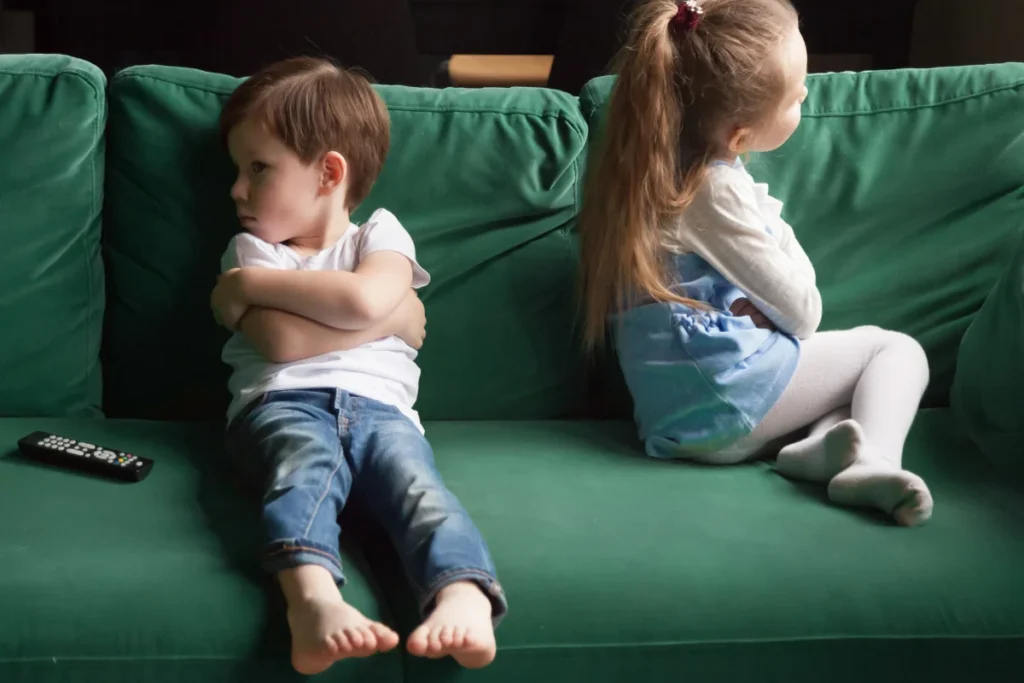
Juvenile delinquency does not affect only one child in a family. When an older sibling becomes involved in risky or criminal behavior, the impact quietly reaches the younger ones too. Many parents focus all their energy on the troubled teen, but often miss how juvenile delinquency affects younger siblings emotionally, psychologically, and behaviorally.
Many parents focus on the teen in trouble, but the younger child often suffers silently. Younger children are always watching. Even when nothing is said out loud, they absorb fear, confusion, and mixed messages about right and wrong. Over time, this unseen damage can shape their personality, mental health, and future choices.
The Emotional Impact on Younger Siblings
When one child is involved in delinquent behavior, the home environment changes. Tension rises, routines break, and emotions run high.
Younger siblings may experience:
- Anxiety and constant worry
- Fear of conflict or punishment
- Confusion about family stability
- Emotional neglect due to divided attention
Many children don’t express these feelings openly. Instead, they become quiet, withdrawn, or overly obedient—trying not to “cause more problems.”
How Younger Siblings Imitate Risky Behavior
Children learn behavior mainly through observation. When an older sibling breaks rules, skips school, or engages in crime, younger siblings may start to normalize these actions.
This does not mean they want to misbehave. It means:
- Rules start to feel flexible
- Authority seems less meaningful
- Consequences appear inconsistent
In some cases, younger siblings copy behaviors because they believe it brings attention, power, or control—especially if they see their sibling becoming the center of family focus.
The Silent Damage to Self-Esteem
One of the most overlooked effects of juvenile delinquency is how it affects a younger child’s sense of self.
Younger siblings may think:
- “Am I going to end up like them?”
- “Is something wrong with our family?”
- “Will my parents still notice me?”
When parents are emotionally exhausted, younger children may feel invisible. This can lower confidence and create a fear of expressing needs, which later shows up as anxiety or people-pleasing behavior.
Increased Risk of Future Delinquency
Research and family studies consistently show that juvenile delinquency affects younger siblings by increasing their own risk of engaging in similar behaviors later.
This happens due to:
- Shared environment
- Exposure to stress and conflict
- Reduced supervision
- Learned coping through rebellion
This does not mean delinquency is inevitable. It means early support is critical.
How Family Stress Changes the Home Atmosphere
Homes dealing with juvenile delinquency often face:
- Frequent arguments
- Financial stress
- Involvement with schools or legal systems
- Emotional burnout in parents
Younger siblings live inside this pressure every day. Even if parents try to shield them, children sense instability and may feel unsafe or insecure without fully understanding why.
Also Read: Breaking the Cycle: Poverty and Juvenile Delinquency
What Parents Often Miss (But Can Still Fix)
The good news is that parents can reduce harm and protect younger siblings—even while helping the older child.
If an older sibling’s behavior involves threats, weapon carrying or attempts to obtain a firearm, protecting everyone in the household comes first. Our guide to teen gun interest, warning signs and safe access outlines the safety concerns parents should not overlook.
What helps most:
- One-on-one time with younger children
- Reassurance that they are safe and loved
- Age-appropriate explanations (not silence)
- Consistent rules and routines
- Encouraging expression of feelings
Younger siblings don’t need perfection. They need presence.
Supporting Both Children Without Choosing Sides
It is possible to support a struggling teen while protecting younger siblings. This requires balance, not blame.
Parents should:
- Avoid labeling one child as “bad”
- Avoid making the younger child the “perfect one”
- Keep family discussions calm and respectful
- Seek family or child counseling if needed
Healthy communication teaches younger siblings that mistakes do not define a person—and that accountability and care can coexist.
Long-Term Effects If the Impact Is Ignored
If unaddressed, the effects of juvenile delinquency on younger siblings can last into adulthood, showing up as:
- Chronic anxiety
- Difficulty trusting authority
- Fear of conflict
- Emotional suppression
- Risk-taking behavior later in life
Early awareness prevents long-term damage.
Final Thoughts
Juvenile delinquency is never an isolated problem. It affects the entire family system, especially the youngest members who have the least power and the least voice. When parents recognize how juvenile delinquency affects younger siblings, they gain the opportunity to protect, guide, and heal—not just one child, but the whole family.
With emotional awareness, consistent support, and open communication, families can break harmful cycles and help every child grow in safety and confidence.
Frequently Asked Questions
A. Younger siblings may experience fear, anxiety, confusion, and emotional neglect when an older sibling is involved in delinquent behavior, especially if family stress increases.
A. Yes. Younger children may imitate risky behaviors if they see them normalized at home, especially when rules and consequences appear inconsistent.
A. Studies suggest that younger siblings can face a higher risk if emotional support, supervision, and communication are lacking—but early intervention reduces this risk significantly.
A. Common signs include withdrawal, sudden behavior changes, anxiety, academic decline, excessive obedience, or attention-seeking behavior.
A. Parents can protect younger siblings by maintaining routines, offering reassurance, spending individual time with them, and encouraging open emotional expression.
A. Yes. Family counseling helps address emotional strain, improves communication, and supports both the affected teen and younger siblings in a healthy way.