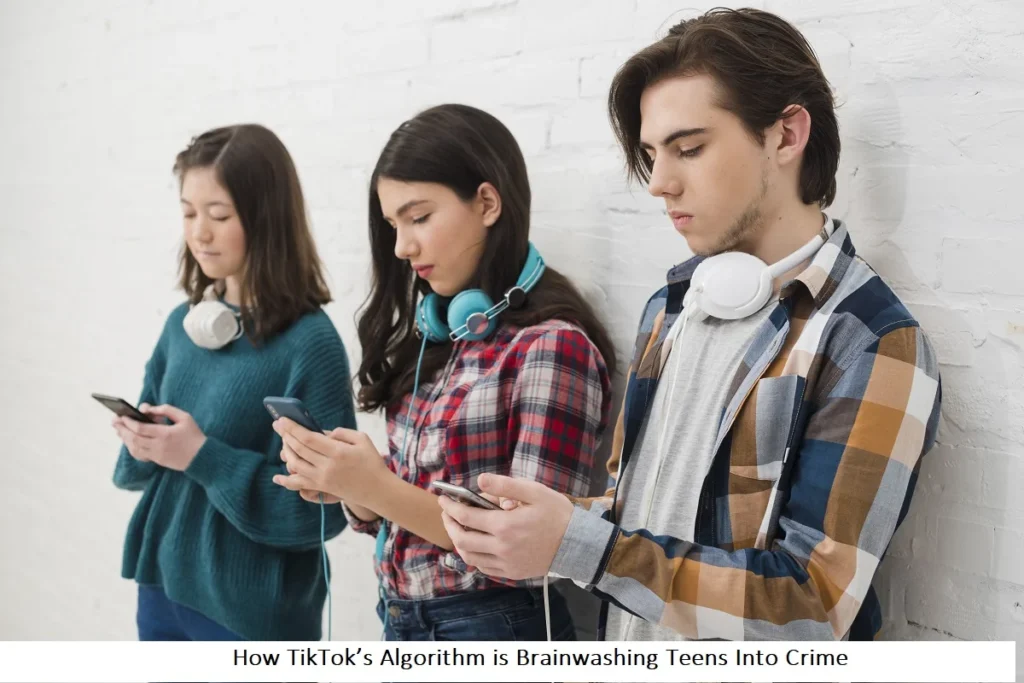
Parents sometimes come across TikTok videos showing fighting, dangerous dares, threats, stealing or other illegal behavior and wonder whether social media is encouraging juvenile crime. These concerns deserve attention, but the evidence does not justify saying that TikTok directly causes teenagers to commit crimes or that watching a violent clip makes a teen several times more likely to assault someone.
The more useful question is how online recommendations, peer approval and repeated exposure to risky content interact with a particular teenager’s circumstances. This guide separates established concerns from sensational claims and explains practical steps families can take.
Does TikTok Cause Juvenile Crime?
There is no evidence here that supports a direct, universal cause-and-effect claim. Social media platforms can distribute content, influence perceptions and make risky activities visible. However, a teenager’s actions are shaped by many factors beyond one app, including individual behavior, friends, family relationships, school and community conditions.
The American Psychological Association’s advisory on adolescent social media use notes that online experiences vary across young people and that strong causal conclusions are difficult to establish with the available research. Social media is not inherently beneficial or harmful; the content, functions and the teen’s situation matter.
How Algorithmic Feeds and Peer Approval May Affect Teen Behavior
1. Repeated exposure changes what feels familiar
When a user watches or interacts with certain kinds of videos, recommendation systems may show them related content. Repeated exposure can influence how common or acceptable a behavior seems, although it does not establish that a viewer will act on it.
2. Likes and comments provide social feedback
Some teens may find online recognition rewarding, especially when a video gets attention from friends. But popularity online does not determine the intentions or values of the people watching.
3. Challenges may blur the line between entertainment and risk
Viral challenges range from harmless jokes to acts that may endanger people or property. Parents can teach teens to assess a challenge by what it actually requires—not by its popularity or the number of people claiming to have tried it.
4. Peer groups matter online and offline
Group chats, threats or pressure from friends may be more important in a specific incident than an algorithm alone. The CDC identifies association with delinquent peers as a risk factor for youth violence, while supportive family relationships are protective.
Our guide to peer pressure and parental influence explains practical ways to strengthen a teenager’s independent judgment.
Why Claims About TikTok and Teen Crime Need Scrutiny
Unverified articles and posts sometimes make statements such as:
- a fixed percentage of teens joined gangs after seeing TikTok videos;
- viewing violent videos makes teenagers several times more likely to assault others;
- a named viral challenge caused a nationwide increase in school violence;
- a particular percentage of teens use the platform without parental controls.
Those claims need traceable research with a defined population, study method and time period. The earlier version of this article contained such figures without verifiable evidence; they have been removed rather than replaced with guesses.
Videos of crimes do not automatically prove a crime happened as described, that the people involved were minors, or that the incident was caused by the platform on which the video appeared.
When Online Content Is a Genuine Safety Concern
Parents should take specific, credible risks seriously, especially:
- direct threats against identifiable people;
- content encouraging a teen to carry or obtain a weapon;
- messages pressuring a young person to steal, fight or hurt someone;
- extortion, coercion or attempts to recruit a teen for illegal activity;
- repeated violent threats connected with school or real-life disputes.
Record appropriate details, avoid publicly escalating a conflict and contact relevant school staff or local authorities when there is a real threat. In an immediate emergency, use local emergency services.
For parents concerned about weapon access, our article on teens, guns and firearm safety explains warning signs and secure storage.
Six Practical Ways Parents Can Respond
1. Ask what your teen sees rather than assuming
Start with a neutral question: “Have people in your school been sharing videos that encourage unsafe things?” Ask about specific worries and whether anyone is being pressured.
2. Practice evaluating a video
Ask: Who uploaded it? Is the story verified? Was it staged? Are important details missing? Is it meant to inform or simply get attention?
3. Discuss consequences before a crisis
Talk about harm to victims, legal consequences and the risks of filming, participating in or sharing real threats. Avoid glamorizing the behavior while trying to warn against it.
4. Use age-appropriate platform settings
Review privacy, contact permissions, reporting tools and time boundaries together. The APA recommends monitoring younger adolescents while allowing appropriate privacy and autonomy as maturity and digital literacy grow.
5. Strengthen offline connection
Support school engagement, safe friendships, extracurricular activities and trusted adults. These are important protective influences regardless of whether a teen uses TikTok.
6. Address actual behavior promptly
If your child has threatened someone, stolen, fought, or become involved in another offense, focus on the real incident. Seek qualified guidance where appropriate instead of assuming the app alone is responsible.
For a broader plan, read how to prevent juvenile delinquency. For an explanation of multiple risk factors, see what contributes to juvenile offending.
What Schools and Platforms Can Do
Schools should respond to specific threats, provide clear ways for students to report concerning content and support victims of bullying or violence. Platforms should make reporting and age-appropriate protections effective and reduce promotion of content encouraging illegal or high-risk acts.
Families should not have to rely only on individual children to manage every online risk. At the same time, blanket claims that one platform is responsible for youth crime can distract from problems requiring direct attention.
Frequently Asked Questions
Does TikTok encourage juvenile crime?
Some content may glamorize or encourage dangerous or illegal behavior, but there is no basis for claiming that TikTok causes juvenile crime as a whole. The effect of content depends on the teen and their wider social environment.
Can a TikTok challenge lead to legal trouble?
Yes, if someone actually engages in illegal conduct. Whether a challenge is popular online does not make theft, assault or property damage lawful.
Are teens who watch violent videos more likely to become violent?
Research on media exposure is complex, and a viewing history cannot predict whether a particular teen will commit violence. Unsupported risk multipliers should not be treated as fact.
How can parents monitor TikTok responsibly?
Use suitable safety settings, agree on boundaries, ask about content, and keep communication open. Monitoring should be proportionate to the teen’s maturity and any identifiable risks.
When should a parent seek outside help?
Seek immediate local help for credible threats or imminent danger. For repeated coercion, violence, theft or severe behavior changes, involve appropriate school, health, youth support or legal professionals.