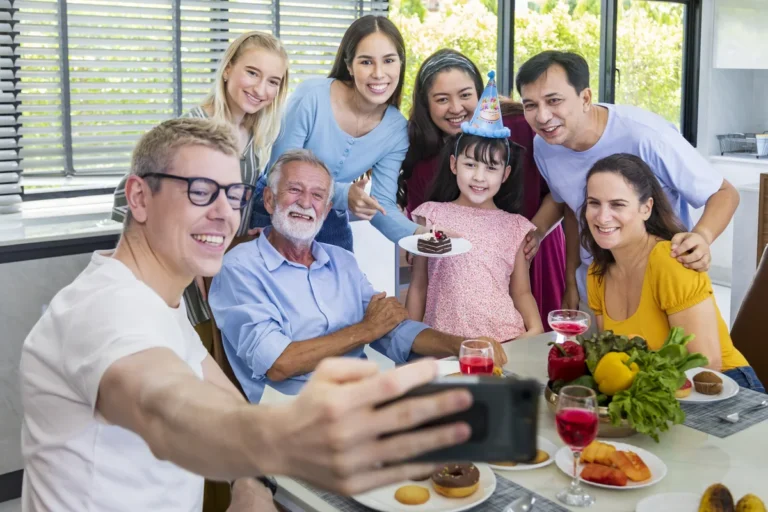
Creating meaningful holiday memories doesn’t require perfection, expensive supplies, or Pinterest-level creativity. In reality, the traditions children remember most are often the imperfect, funny, and emotional moments shared as a family. This guide on 10 magical holiday traditions with kids focuses on simple, stress-free ideas that build connection, encourage kindness, and create memories that last far beyond the holiday season.
I learned this the hard way.
I’ll never forget the year I tried to create the “perfect” holiday tradition. Picture this: it’s 2 a.m. on December 23rd. I’m covered in glitter glue, crying over a Pinterest fail that was supposed to be a handmade Advent calendar. My husband finds me surrounded by 24 mismatched socks (because “sock Advent calendars” were trending) and gently says, “Maybe we could just… buy a chocolate one?”
That was the moment it clicked. Holiday traditions aren’t about perfection. They’re about the moments that become family stories — the ones your kids laugh about years later and say, “Remember when…”
After years of parenting (and plenty of holiday chaos), here are realistic traditions that actually work for real families.
Fun Christmas Traditions for Kids Who Love to Be in Charge
The Great Christmas Light Rebellion
Let kids take control of one room and decorate it however they want using safe lights and decorations.
Why this tradition matters:
Giving children creative control builds confidence, independence, and shared laughter.
Kindness Traditions That Teach Empathy Without Pressure
Kindness Elf (Without the Stress)
Instead of a surveillance-style elf, introduce a kindness elf that encourages small, simple acts like thanking someone or donating a toy.
Why this tradition matters:
It teaches empathy and generosity without fear or pressure.
Simple Family Traditions That Capture Real Memories
The Memory Jar
Place an empty jar in the living room. Throughout the month, family members add notes about funny, sweet, or meaningful moments.
Why this tradition matters:
It helps children reflect on positive experiences and strengthens emotional bonds.
Cozy Christmas Eve Traditions for Families With Kids
Christmas Eve Boxes
Fill a box with pajamas, a book, and a simple treat. Don’t aim for perfection — mismatched pajamas and spilled hot chocolate are part of the memory.
Why this tradition matters:
It creates anticipation and comfort while lowering expectations.
Creative Holiday Traditions That Embrace Imperfection
Ugly Ingredient Bake-Off
Let kids create treats using random pantry ingredients. Taste-testing is optional — laughter is guaranteed.
Why this tradition matters:
Encourages creativity and removes pressure around “doing things right.”
Also Read : Surviving Road Trips with Kids: A Practical Guide for Parents
Gratitude Traditions That Actually Feel Honest
Gratitude Garland
Each day, add a note about something you’re thankful for — even the silly ones.
Why this tradition matters:
Helps children practice gratitude in a natural, non-forced way.
Giving Traditions That Teach Children Generosity
Reverse Advent Calendar
Instead of receiving something daily, add one donation item to a box each day.
Why this tradition matters:
Builds awareness, compassion, and social responsibility.
Meaningful New Year Traditions for Families
New Year’s Time Capsule
Include predictions, small toys, drawings, or notes and open it the following year.
Why this tradition matters:
Encourages reflection and shows children how they grow over time.
Indoor Holiday Activities to Burn Kids’ Energy
Living Room Snowball Fight
Crumple wrapping paper into balls and set a short timer.
Why this tradition matters:
Promotes physical activity, laughter, and family bonding.
Also Read : Go Green: Top 5 Recycled DIY Craft Ideas for Teens
Flexible Countdown Traditions for Tired Kids
The “Oops, We Missed Midnight” Countdown
Celebrate early with juice, music, and a countdown video.
Why this tradition matters:
Teaches flexibility and shows kids that togetherness matters more than the clock.
Halfway through the holidays, you may realize something important: 10 magical holiday traditions with kids don’t need to be grand or flawless to be meaningful. The moments children remember most are often the ones where things didn’t go exactly as planned — the laughter, the mess, and the warmth of being together.
Here’s the truth parents rarely hear: kids don’t remember perfect decorations or expensive gifts. They remember how it felt. They remember laughing with you, feeling safe, and knowing they were part of something special.
Years from now, your child won’t say, “Remember how perfect everything was?”
They’ll say, “Remember when we laughed so hard we cried?”
That’s the real magic. And that’s why 10 magical holiday traditions with kids aren’t about doing more — they’re about being present.
Frequently Asked Questions About Holiday Traditions With Kids
A.Holiday traditions help children feel emotionally secure and connected to their family. In the US and UK, family traditions are known to support emotional well-being by giving kids consistency, comfort, and positive memories during busy holiday seasons.
A:Easy holiday traditions for busy parents include movie nights in pajamas, kindness challenges, memory jars, simple baking, and early countdown celebrations. These traditions are popular in both US and UK households because they are low effort but meaningful.
A:Stress-free Christmas traditions focus on togetherness rather than perfection. Examples include letting kids decorate freely, having indoor games, reading together, or doing donation-based activities.
A:Yes. Research and parenting experts agree that family traditions support emotional development, social skills, and a sense of belonging. Children benefit from repeated shared experiences that reinforce family values and emotional safety.
A:In most cases, yes. Children are more likely to remember how holidays felt rather than specific gifts. Shared activities, laughter, and time spent together create stronger long-term memories than material items.
A:Parents can start new holiday traditions by choosing one simple activity and repeating it each year. The best traditions grow naturally over time and don’t need to be perfect. Consistency matters more than complexity.
A:Absolutely. Imperfect traditions often become the most meaningful. Children value warmth, presence, and shared joy far more than flawless execution, making imperfect traditions just as powerful — if not more.