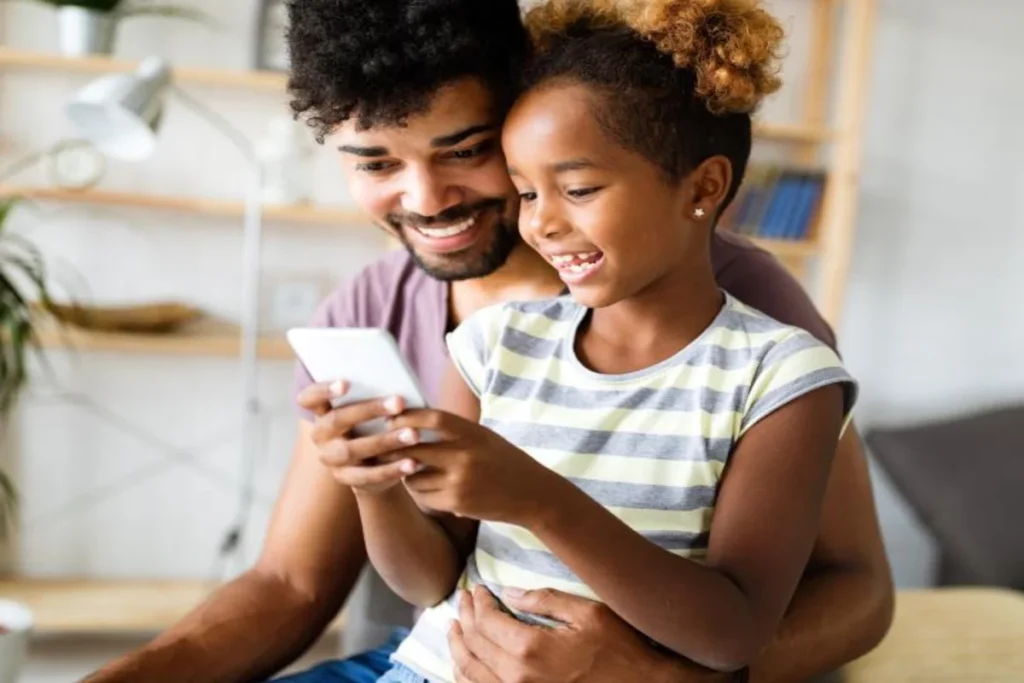
A child goes quiet after checking their phone. A screen turns face-down when a parent enters the room. Many parents feel that quiet worry but push it aside, hoping it will pass.
Phone activity monitoring for family safety starts in these small moments—not with suspicion, but with care.
This is not about control. It is about staying emotionally present in a digital world that never sleeps.
Why Phone Activity Monitoring Matters Now
Child psychologists explain that children and teens are still learning how to manage emotions, impulse, and social pressure. Phones amplify all three. Constant notifications, online comparison, and exposure to mature content can overwhelm developing minds.
Gentle monitoring helps parents notice:
- Emotional shifts after screen use
- Patterns that affect sleep or mood
- Online stress before it becomes anxiety
Mental-health professionals often emphasize that early support is more effective than late correction.

Monitoring With Care, Not Fear
From a psychological perspective, children feel safer when boundaries are predictable and explained. When rules are sudden or secretive, trust weakens.
Healthy phone activity monitoring for family safety includes:
- Clear reasons for limits
- Calm discussions instead of confrontations
- Flexibility as maturity grows
Research in parenting psychology shows that children cooperate more when they feel respected, even while being guided.
Emotional Signals Worth Noticing
Phones often become emotional outlets. Pediatric mental-health guidance encourages parents to look beyond behavior and notice patterns.
Be attentive if you see:
- Anxiety after using social apps
- Sudden withdrawal or irritability
- Fear of messages or notifications
- Sleep problems linked to late-night scrolling
These signs are not misbehavior—they are communication.
Also Read : How to Protect Teens from Cyberbullying: Top 10 Tips for Online Safety
Common Monitoring Mistakes to Avoid
Well-meaning parents sometimes react out of fear.
Avoid:
- Secret phone checking
- Public shaming or threats
- Treating monitoring as punishment
- Ignoring emotional context
Family therapy principles stress that connection corrects more than control.
Also Read : Why Over-Monitoring Social Media Can Backfire for Parents

Tools Support — Relationships Protect
Parental control tools can support phone activity monitoring for family safety, but psychology experts agree that secure parent-child relationships matter more than any setting or app.
Ask open questions. Pause before reacting. Let your child finish speaking—even when it’s uncomfortable.
Children open up when they feel emotionally safe.
A Gentle Step You Can Take Today
Set aside ten quiet minutes. Sit together. Ask one question:
“How does your phone make you feel lately?”
No rules. No lectures. Just listening. Emotional safety begins there.
Building a Safer Digital Home
Healthy digital homes are built on trust, routine, and warmth. When parents stay involved without being intrusive, children are less likely to hide struggles or face online pressure alone.
Phone activity monitoring for family safety works best when children feel:
“I am supported—not controlled.”
FAQs
A. It means supervising phone use in a way that protects children’s emotional and digital wellbeing.
A.When done calmly and openly, it usually reduces anxiety by providing structure and support.
A.By focusing on patterns, wellbeing, and communication rather than constant checking.
A. Yes. Early awareness helps parents respond before stress turns into anxiety or withdrawal.
A. Yes, but with increasing trust, privacy, and conversation as they mature.
A. When a child begins using a smartphone, with rules adjusted as development progresses.